
Men's Health
Male Enhancement, How to Get an Erection, Increase Sperm Volume, Penis Enlargement, Premature Ejaculation, ...All Men's Health Men's Health
Women's Health
Breast Enhancement, Female Libido Enhancement, Female Sexual Arousal, ...All Women's Health Women's Health
Acne & Skin Care
Acne Treatment, Boils Treatment, Rosacea Treatment, Skin Pigmentation, Stretch Marks, Varicose Veins, ...All Acne & Skin Care Acne & Skin Care
Digestive & Urinary Systems
Constipation, Diarrhea, Hemorrhoid, Irritable Bowel Syndrome, Sensitive Digestion, ...All Digestive & Urinary Systems Digestive & Urinary Systems
Weight Loss
Blocking Carbs and Fat, Body Detoxification, Boost Metabolism, Fat Burning, Increase Energy Levels, Obesity Treatment, Suppressing AppetiteSports and Fitness
Improve Sports Performance, Increase Endurance, Increase Strength, Muscle Building Supplements, Muscle Recovery, Weight Gainers, Workout IntensityMental Health & Neurology
Anxiety, Bad Mood, Chronic Fatigue Syndrome, Depression, Insomnia, Memory Loss, Neuropathy, Obsessive-Compulsive Disorder, Stress, ...All Mental Health & Neurology Mental Health & Neurology
Beauty & Well-being
Bad Breath, Brittle Nails, Eyelash Growth, Gray Hair, Hair Removal, Nail Fungus, Teeth Whitening, Tattoo RemovalAdvertisement

Add to Bookmarks
The Connection Between Stress, Aging, and HGH Levels
 Stress has become an almost unavoidable part of modern life. From work pressures to financial concerns, to the daily demands of personal relationships, stress can hit us from many directions.
While occasional stress is normal, chronic stress can have far-reaching effects on our health, contributing to the aging process and potentially lowering our natural Human Growth Hormone (HGH) production.
HGH plays a crucial role in maintaining our vitality. It's responsible for cell regeneration, muscle growth, metabolism, and bone density. As we age, HGH production naturally declines, leading to a variety of symptoms that we often associate with getting older: increased body fat, reduced muscle mass, fatigue, and even diminished cognitive function. However, chronic stress can accelerate this decline, leading to premature aging and other health issues.
Understanding Stress and Its Impact on Aging
Stress is an inevitable part of life, with various sources, including work, family responsibilities, financial pressures, and social dynamics. In small doses, stress can be beneficial, sharpening focus and enhancing performance. However, when stress becomes chronic, it can have detrimental effects on both physical and mental health, accelerating the aging process and contributing to a range of health issues.Stress and serious health problems
Various issues, which affect health, are thought to be stressful and fairly often they are taken in stride. Nowadays people are busy in several activities, so that's why they consider stress to be a natural and unavoidable phenomenon.The majority is also unaware of the serious consequences that stress causes and triggers over time. As a result the earlier you start doing something about the problem the more opportunities you have not to encounter some condition that will be impossible to combat in the end.
Cortisol levels
Chronic stress triggers a constant release of cortisol, often called the "stress hormone." While cortisol plays a crucial role in the body's "fight-or-flight" response, long-term exposure to elevated cortisol levels can lead to serious health problems. When cortisol remains high for extended periods, it disrupts sleep patterns, weakens the immune system, and contributes to weight gain, particularly around the midsection.
According to Yale School of Medicine:
The effects of chronic stress go beyond the immediate physiological responses. Stress can also increase oxidative stress and inflammation, both of which are linked to aging and a variety of age-related diseases. Oxidative stress results from an imbalance between free radicals and antioxidants in the body, leading to cellular damage and a hastened aging process. Inflammation, similarly, is a significant driver of many chronic diseases, including heart disease and arthritis.
Beyond the physical effects, stress can impact mental health, causing or exacerbating conditions like anxiety and depression. The psychological toll of stress can lead to cognitive decline, further accelerating the aging process.
Healthy coping strategies
To effectively manage stress and mitigate its impact on aging, it's crucial to adopt healthy coping strategies. These might include regular physical activity, meditation, yoga, mindfulness practices, and social support. In addition, maintaining a balanced diet rich in antioxidants and considering natural supplements to boost HGH production can help counteract the effects of stress and promote a healthier, more youthful outlook.Stress and Aging
Aging is one of the traces showing that something does not function in a suitable way in the organism of the individual. Stress is a constant and inseparable part of our life at work or at home, people fairly often cannot afford to address it correctly as a result of insufficient time and/or funds. Sometimes they purchase some commercial products and try them. They may feel better for a while but these medicines typically do not treat the organism within and have only exterior effect.As far as stress is concerned, it influences our mind and body as well. So, the medicine we take should be effective for both psychological and physical factors. Consequently, it's not enough to take some rejuvenating elixir to become full of power, cheerful and healthy. It is better to recognize the way everything functions in the body.
The Role of HGH in the Body
Human Growth Hormone is a crucial hormone produced by the pituitary gland, playing a central role in growth, development, and overall health. It regulates cell growth, regeneration, and repair throughout the body, making it a key player in maintaining youthfulness and vitality.As we age, the natural production of HGH declines, leading to many of the common signs of aging. Understanding how HGH works and its effects on the body can help us appreciate its importance in managing aging and stress-related symptoms.

According to National Library of Medicine:
HGH is involved in a wide range of physiological processes. In children and adolescents, it drives growth and development, ensuring proper bone lengthening and muscle growth. In adults, HGH continues to play a significant role in maintaining muscle mass, bone density, and metabolism. It also contributes to tissue repair and supports the body's ability to recover from injury and physical exertion.
Natural decline in HGH production
The natural decline in HGH production with age is gradual, starting as early as in a person's 20s. This decline can lead to several age-related symptoms, such as decreased muscle mass, increased body fat, particularly around the abdomen, reduced energy levels, and slower recovery from exercise or injury. Additionally, low HGH levels can affect skin health, leading to wrinkles and decreased elasticity.Beyond its physical effects, HGH also plays a role in mood and cognitive function. Some studies suggest that adequate HGH levels are associated with improved mood, better sleep quality, and enhanced cognitive performance. As a result, reduced HGH production can lead to a decline in these areas, contributing to a sense of aging and decreased well-being.
Given its crucial role in maintaining health and vitality, finding ways to boost HGH production naturally can have significant benefits. While synthetic HGH treatments are available, they come with risks and potential side effects. Instead, focusing on lifestyle changes and natural HGH boosters can be a safer and more sustainable way to support healthy HGH levels. This can help mitigate the effects of aging and stress, promoting a healthier, more vibrant life.
How Stress Reduces HGH Production
Stress has a profound impact on various physiological processes, and one of its lesser-known effects is the reduction of Human Growth Hormone (HGH) production. The connection between stress and HGH involves a complex interplay of hormones, primarily cortisol, which can disrupt the balance of HGH in the body. Understanding how stress contributes to lower HGH levels can help us take steps to counteract its effects and support healthier aging.How cortisol affects HGH production
When we're under stress, the body responds by releasing cortisol, a hormone that helps manage stressors through the "fight-or-flight" response. One of the ways cortisol affects HGH production is by disrupting sleep. HGH is primarily released during deep sleep, a phase known as slow-wave sleep. Chronic stress can interfere with sleep patterns, causing insomnia, frequent waking, or reduced quality of sleep. This disruption in sleep leads to a decrease in HGH production, contributing to symptoms like fatigue, slower recovery from exercise, and reduced muscle growth.Additionally, high cortisol levels can increase the breakdown of muscle tissue and promote fat storage, particularly in the abdominal area. This shift in body composition is characteristic of aging, suggesting that stress can accelerate these age-related changes. As muscle mass declines and body fat increases, it further suppresses HGH production, creating a vicious cycle.

According to American Psychological Association:
The reduction in HGH due to stress can also impact cognitive function and mood. With lower HGH levels, individuals may experience decreased focus, memory issues, and an increased likelihood of mood disorders like anxiety and depression. These factors contribute to a sense of aging and diminished quality of life.
Combat the impact of stress on HGH production
To combat the impact of stress on HGH production, it's essential to adopt stress-management techniques and focus on lifestyle changes that support healthy hormone levels. Regular exercise, a balanced diet, adequate sleep, and mindfulness practices can help reduce stress and promote higher HGH production. Incorporating natural HGH booster supplements can also play a role in maintaining healthy HGH levels, helping to mitigate the effects of stress on the body and mind.Common Symptoms of Low HGH Levels
Human Growth Hormone plays an important role in maintaining energy, metabolism, muscle strength, and overall physical health. As stress increases and aging progresses, HGH production may decline. Low HGH levels can affect both physical and mental well-being, often causing symptoms that develop gradually over time.Physical Signs of HGH Decline
One of the most common symptoms of low HGH is reduced energy and persistent fatigue. Many people notice they feel tired even after getting enough sleep. Physical endurance may decrease, and routine activities can become more exhausting.Low HGH levels may also contribute to loss of muscle mass and increased body fat, especially around the abdomen. Since HGH supports tissue repair and muscle development, reduced hormone production can slow metabolism and make weight management more difficult.
Skin changes are also common. Individuals with declining HGH levels may experience dry skin, thinning skin, and increased wrinkles. Hair may lose thickness and shine, while nails can become weaker and more brittle. Recovery after exercise or minor injuries may also take longer.
Emotional and Cognitive Symptoms
Low HGH does not affect the body alone. Hormonal imbalance may influence mood, concentration, and mental performance. Some individuals report poor memory, difficulty focusing, and reduced motivation. Chronic stress can intensify these effects by increasing cortisol levels, which may further suppress HGH production.Mood-related symptoms such as irritability, anxiety, and low self-confidence are also associated with hormonal decline. Sleep disturbances may become more frequent, creating a cycle where poor sleep reduces HGH release even further.
Long-Term Effects on Health and Aging
Over time, low HGH levels may accelerate visible and internal signs of aging. Reduced bone density, slower recovery, and decreased physical strength can affect long-term health and mobility. Supporting healthy HGH production through stress reduction, sleep improvement, regular exercise, and natural HGH booster supplements may help maintain vitality and support healthy aging.Natural Ways to Support Healthy HGH Production
Supporting healthy Human Growth Hormone production naturally may help improve energy, recovery, metabolism, and healthy aging. Daily habits have a strong influence on hormone balance, especially during periods of chronic stress and age-related hormonal decline.Improve Sleep Quality
Deep sleep is one of the most important factors for natural HGH release. The body produces most of its Human Growth Hormone during the early stages of deep sleep. Poor sleep quality, irregular sleep schedules, and nighttime stress may reduce HGH production over time.Creating a consistent sleep routine may help support hormonal balance. Limiting screen exposure before bedtime, reducing caffeine intake in the evening, and maintaining a calm sleep environment may improve sleep quality naturally. Stress management before bed may also reduce cortisol levels, which can interfere with HGH secretion.
Exercise and Physical Activity
Regular exercise supports healthy HGH levels and promotes better overall health. High-intensity workouts, resistance training, and short bursts of physical activity may stimulate natural HGH release. Exercise also helps maintain lean muscle mass and supports healthy metabolism during aging.Moderate physical activity may also lower stress and improve emotional well-being. Long-term sedentary habits can contribute to weight gain, poor circulation, and reduced hormonal function.
Healthy Nutrition and Weight Management
Balanced nutrition plays a major role in hormone health. Diets high in processed foods and excess sugar may negatively affect metabolism and increase stress-related inflammation. Maintaining a healthy body weight may help support natural HGH production and reduce the impact of aging on the body.Protein-rich foods, healthy fats, fresh vegetables, and adequate hydration may support recovery and energy levels. Avoiding overeating late at night may also benefit nighttime HGH release.
Natural HGH Booster Supplements
Many people use natural HGH booster supplements to support healthy hormone production. These supplements often contain herbal extracts, amino acids, and natural compounds associated with stress reduction, sleep support, and physical recovery. When combined with healthy lifestyle habits, natural HGH boosters may help support healthy aging and improve overall vitality.The Benefits of Increasing HGH Levels to Mitigate Aging and Stress
Increasing Human Growth Hormone levels can have significant benefits, especially when it comes to managing stress-related symptoms and combating the effects of aging. As we age, our natural HGH production tends to decline, leading to a range of issues that affect our vitality and overall health. By focusing on natural ways to boost HGH, we can help offset some of the common signs of aging and support a more energetic and youthful lifestyle.- One of the most noticeable benefits of increased HGH levels is improved muscle mass and strength. HGH plays a key role in muscle growth and repair, so when levels are higher, you might experience greater muscle tone, strength, and recovery from exercise. This can lead to enhanced physical performance, whether you're hitting the gym or just staying active in your daily life.
- In addition to its impact on muscle growth, HGH helps with fat metabolism. As HGH levels rise, your body is better equipped to burn fat for energy, leading to a reduction in body fat, particularly around the midsection. This can contribute to a healthier body composition and a more youthful appearance, which can boost confidence and overall well-being.
- Another critical benefit of increased HGH is improved bone density. As we age, bones naturally lose density, which can increase the risk of fractures and osteoporosis. By boosting HGH levels, you can help maintain stronger bones, reducing the risk of age-related bone loss.
- HGH also has a role in maintaining healthy skin. Higher levels can lead to improved skin elasticity, fewer wrinkles, and a more vibrant complexion. This can have a significant impact on how we look and feel, contributing to a more youthful appearance.
- Beyond the physical benefits, increased HGH levels can also positively affect mental health. Higher HGH levels are associated with better sleep quality, improved mood, and enhanced cognitive function. These benefits can help reduce stress and anxiety, leading to a more balanced and positive mindset.
Focus on natural ways to boost HGH levels
To achieve these benefits, it's important to focus on natural ways to boost HGH levels. This includes regular exercise, a healthy diet, and adequate sleep. Additionally, natural HGH booster supplements containing amino acids, herbal extracts, and adaptogens can support your body's own HGH production, offering a safe and effective way to mitigate the effects of aging and stress.Natural HGH Booster Supplements: A Path to Reducing Stress-Related Aging
Natural HGH booster supplements offer a promising approach to reducing the impact of stress-related aging without resorting to synthetic hormones or invasive treatments. These supplements are designed to support the body's natural production of Human Growth Hormone (HGH), helping to mitigate the symptoms of aging while also addressing the adverse effects of chronic stress.Let's explore how these supplements work, their benefits, and some popular ingredients used to boost HGH levels naturally.
Ingredients
Natural HGH booster supplements contain a variety of ingredients that work synergistically to stimulate HGH production. These ingredients include amino acids, herbal extracts, and adaptogens, each with unique properties that promote hormonal balance and overall health. Here's a breakdown of some common ingredients found in these supplements and how they contribute to boosting HGH levels:- Amino Acids: Amino acids like L-arginine, L-glutamine, and L-lysine are known to stimulate HGH production. They play a role in muscle growth, tissue repair, and metabolism. By increasing these amino acids in your diet, you can support higher HGH levels, leading to improved muscle mass, reduced body fat, and better recovery from exercise.
- Herbal Extracts: Certain herbs, such as ginseng and ashwagandha, have adaptogenic properties, which means they help the body adapt to stress and maintain hormonal balance. These herbs can reduce cortisol levels, the stress hormone that inhibits HGH production, thereby promoting a healthier stress response and boosting HGH.
- Adaptogens: Adaptogens are a unique class of herbs and plants that help the body cope with stress and maintain homeostasis. Examples include rhodiola rosea, astragalus, and maca root. These adaptogens can support the body's natural resilience to stress, potentially leading to higher HGH levels and a reduction in stress-related aging.
Best HGH Supplements
The best choice as experts say is herbal HGH Supplements. They are assumed to be natural and non-invasive. Patients who experimented with HGH supplements declare positive effect. They had better skin, hair and weight. These are the symptoms that the process of aging is stopped. It is worth mentioning also the helpful remedial effect of the HGH Supplements on such signs of aging as back pains and memory loss.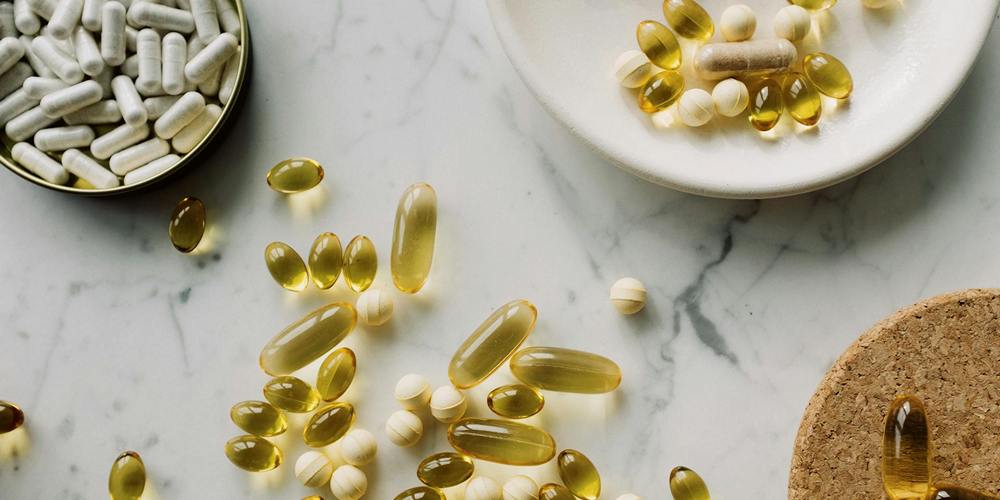
According to HealthLine:
HGH supplements will bring relief to back if there is pain. It is very convenient to apply to this product. Besides all the pointed out facts the thoroughly developed and tested formula of the HGH supplements have no uncomfortable side effects which differs so favorably them form other hormone-producing means.
How to Choose the Best Natural HGH Booster Supplement
Choosing the right natural HGH booster supplement requires careful attention to quality, safety, and ingredient selection. Many products claim to increase Human Growth Hormone levels, but not all formulas provide reliable support for healthy aging and stress-related hormonal balance.Look for Scientifically Supported Ingredients
A high-quality HGH booster supplement should contain ingredients commonly associated with hormone support, recovery, sleep quality, and stress management. Amino acids, herbal extracts, and natural compounds are frequently used in these formulas because they may help support the body's natural HGH production process.Ingredients linked to relaxation and improved sleep may also be beneficial because deep sleep plays a major role in HGH release. Some herbal ingredients may help reduce stress-related cortisol activity, which can interfere with healthy hormone balance during aging.
Avoid products that rely on unrealistic claims or promise immediate anti-aging results. Natural supplements usually work gradually and are most effective when combined with healthy lifestyle habits.
Check Product Quality and Transparency
Product transparency is essential when selecting natural healthcare supplements. Reputable manufacturers clearly list all active and inactive ingredients, dosage information, and usage instructions. Third-party testing and quality certifications may provide additional confidence regarding product purity and safety.It is also important to review the manufacturing process. Supplements produced in certified facilities are generally more reliable than products with limited quality information. Reading customer reviews may help identify common experiences related to effectiveness, side effects, and product consistency.
Consider Safety and Personal Health Needs
Natural HGH booster supplements should match individual health goals and lifestyle needs. People with chronic health conditions or those taking medications should carefully review supplement labels before use. Even natural products may interact with certain medications or health conditions.Products with excessive stimulants, artificial additives, or undisclosed blends should be avoided. Choosing supplements with balanced formulas and clear ingredient disclosure may reduce the risk of unwanted side effects.
Featured Anti-Aging HGH Supplement
Consistent use, healthy sleep, stress management, physical activity, and proper nutrition remain important for achieving the best long-term results from natural HGH boosters.Learn How to Boost HGH Production Naturally
Related Articles
HGH Releasers: Find The Best HGH Products
Trying yo find the best HGH products? This is not an easy task. The whole range of HGH products - HGH injections, HGH sprays, HGH releasers, HGH capsules, and HGH pills - are claimed to have the same effect, that of increasing the body's HGH levels and helping it to recover from the disease. The most commonly arising question is whether these HGH products - all of them to the equal degree - really help, and aren't they capable of making the situation ever worse triggering side-effects?
Anti-Aging Products: Human Growth Hormone

The technology develops and brings advantages and new opportunities in our lives. Yet, it does not reduce the number of tasks we have to be involved in. Quite the opposite, the number of things people need to do is increasing. The inevitable consequence of stressful mode of life is untimely aging: not just intellectual and spiritual but also physical. People start taking nutritional anti-aging products or other related things but forget that not all of them are of the same high quality. Unfortunately, some of these products bring no effect at all.
Last Updated: 2026-05-12