
Men's Health
Male Enhancement, How to Get an Erection, Increase Sperm Volume, Penis Enlargement, Premature Ejaculation, ...All Men's Health Men's Health
Women's Health
Breast Enhancement, Female Libido Enhancement, Female Sexual Arousal, ...All Women's Health Women's Health
Acne & Skin Care
Acne Treatment, Boils Treatment, Rosacea Treatment, Skin Pigmentation, Stretch Marks, Varicose Veins, ...All Acne & Skin Care Acne & Skin Care
Digestive & Urinary Systems
Constipation, Diarrhea, Hemorrhoid, Irritable Bowel Syndrome, Sensitive Digestion, ...All Digestive & Urinary Systems Digestive & Urinary Systems
Weight Loss
Blocking Carbs and Fat, Body Detoxification, Boost Metabolism, Fat Burning, Increase Energy Levels, Obesity Treatment, Suppressing AppetiteSports and Fitness
Improve Sports Performance, Increase Endurance, Increase Strength, Muscle Building Supplements, Muscle Recovery, Weight Gainers, Workout IntensityMental Health & Neurology
Anxiety, Bad Mood, Chronic Fatigue Syndrome, Depression, Insomnia, Memory Loss, Neuropathy, Obsessive-Compulsive Disorder, Stress, ...All Mental Health & Neurology Mental Health & Neurology
Beauty & Well-being
Bad Breath, Brittle Nails, Eyelash Growth, Gray Hair, Hair Removal, Nail Fungus, Teeth Whitening, Tattoo RemovalAdvertisement

Add to Bookmarks
Basic Skin Care Herbs: What Are The Top Benefits of Herbs for Skin Health?
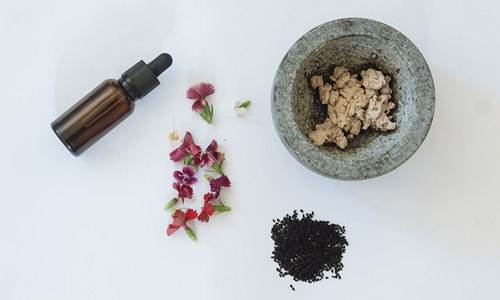 In recent years, many people have turned to herbal skin care remedies to achieve healthy, glowing skin. Herbal skin care is more than a passing trend; it draws on traditional methods of using plants to care for and protect the skin.
Whether you're dealing with acne, dryness, sensitive skin, or simply want a more natural glow, certain herbs may help improve your skin's appearance and support its overall health. Depending on the ingredients and your skin type, herbal products can be a useful addition to your daily skin care routine.
Introduction to Herbal Skin Care
Herbal skin care stands out because it uses the natural properties of plants to help maintain healthy skin. Many herbal products contain botanical extracts that can soothe, moisturize, and protect the skin. However, natural ingredients are not always gentler than synthetic ones, and some herbs may cause irritation or allergic reactions. Choosing products that suit your skin type is essential.Aloe vera is one of the best-known ingredients in herbal skin care, thanks to its moisturizing and soothing effects. It can help relieve minor skin irritation and soothe mild sunburn. Tea tree oil is another popular choice, particularly for acne-prone skin, because it has antimicrobial properties and may help reduce blemishes when used in properly formulated products.
Another advantage of herbal skin care is its focus on overall skin health. Different plants offer different benefits depending on their active compounds. Calendula, for example, is valued for its soothing properties and is often included in products for dry or sensitive skin. Lavender is also used in skin care formulations, although its essential oil may irritate some people, especially those with sensitive skin.
Herbal skin care can also support a more environmentally conscious beauty routine. Products made with responsibly sourced botanical ingredients may help reduce the environmental impact of personal care choices. Look for brands that use sustainable farming and harvesting practices, provide clear ingredient lists, and choose packaging with less environmental waste.
Benefits of Using Herbs for Skin Health
Herbal skin care offers a variety of benefits that make it a popular choice for people who want to maintain healthy skin. Many plant-based ingredients contain vitamins, antioxidants, and other compounds that can help soothe, moisturize, and protect the skin. Their effects depend on the specific herb, its concentration, and how it is used in a skin care product.- One of the main advantages of herbal skin care is its potential to soothe irritated skin. Aloe vera and chamomile, for example, are often used in products designed to relieve dryness, redness, and minor irritation. These ingredients may be helpful for people with sensitive skin, although even natural extracts can trigger allergic reactions in some individuals.
- Herbs also provide antioxidants that help protect the skin from oxidative stress. Free radicals, which form partly through exposure to sunlight and pollution, can damage skin cells and contribute to visible signs of aging. Green tea and turmeric contain antioxidant compounds that may help protect the skin and support a healthier appearance when included in suitable skin care formulations.
- Another benefit of herbal skin care is its versatility. Different plant-based ingredients can address different concerns, including acne, dryness, and uneven skin tone. Tea tree oil, for instance, has antimicrobial properties and may help improve mild acne when used in properly formulated products. Rosehip oil contains fatty acids that help moisturize the skin, while its other components may support skin texture and appearance.
- Herbal skin care can also appeal to consumers who prefer environmentally conscious beauty products. Some herbs can be grown using organic farming methods, which may reduce the use of certain synthetic pesticides. However, a product's environmental impact also depends on how its ingredients are harvested, processed, transported, and packaged. Choosing responsibly sourced products can help support more sustainable skin care practices.

According to Dr. BreAnna Guan:
The benefits of using herbs for skin health are clear: they offer natural, gentle solutions to common skincare concerns while providing essential nutrients and antioxidants to support overall skin vitality. By incorporating herbal remedies into your daily skincare regimen, you can enjoy healthier, more radiant skin without compromising on effectiveness or safety.
Popular Herbs for Skin Care
Several herbs have earned a place in skin care products because of their soothing, moisturizing, and antioxidant properties. Different herbs offer different benefits, so the best choice depends on your skin type and the concerns you want to address. Some are commonly used to relieve dryness and irritation, while others may help manage blemishes or improve the appearance of uneven skin tone.Aloe Vera
Aloe vera is one of the most popular plant-based ingredients in skin care, thanks to its moisturizing and soothing properties. Its gel contains polysaccharides and other compounds that help hydrate the skin and relieve minor irritation. Aloe vera is often used in products designed to soothe mild sunburn, calm dry skin, and support the skin's natural healing process.Tea Tree
Tea tree oil is widely used in products for oily and acne-prone skin because of its antimicrobial properties. When properly diluted and formulated, it may help reduce some acne blemishes and associated inflammation. However, concentrated tea tree oil can irritate the skin, so it should never be applied undiluted. People with sensitive skin should test a product on a small area before regular use.Calendula
Calendula, known for its bright orange and yellow flowers, is a traditional ingredient in soothing skin care products. Its plant compounds have anti-inflammatory properties that may help calm minor irritation and redness. Calendula extracts are often included in creams and ointments for dry or sensitive skin, although they can cause allergic reactions in people sensitive to plants in the daisy family.Chamomile
Chamomile is valued for its calming properties and is commonly found in products for sensitive or irritated skin. Certain chamomile compounds may help reduce redness and inflammation, making the extract a useful ingredient in soothing creams and lotions. However, evidence that chamomile can treat conditions such as eczema or rosacea remains limited, and people with allergies to related plants should use it with caution.Lavender
Lavender is best known for its distinctive fragrance, but its essential oil also contains compounds with antimicrobial and antioxidant activity. It is used in some skin care products for cleansing and fragrance. However, scientific evidence supporting lavender as a treatment for acne or other skin conditions is limited. Lavender essential oil can also cause irritation or allergic contact dermatitis, especially when applied in concentrated form.Taraxacum Root (Dandelion)
Dandelion is a common flowering plant from the sunflower family, and its roots and leaves have a long history of use in traditional herbal remedies. Dandelion contains several plant compounds, including inulin, minerals, and other naturally occurring substances. Its leaves are also a source of potassium. Although dandelion is sometimes promoted for its cleansing and skin-supporting properties, there is not enough reliable clinical evidence to confirm that it treats acne, eczema, or other skin conditions. It should not replace established treatments for persistent skin problems.Burdock Root
Burdock grows in many parts of North America, Europe, and Asia, where its roots have been used in traditional herbal medicine for centuries. The plant contains compounds with antioxidant and anti-inflammatory activity in laboratory studies. Burdock is sometimes included in herbal preparations intended for problem skin, including acne and eczema. However, evidence that it improves these conditions in humans remains limited, and claims that it treats skin cancer are not supported by reliable clinical evidence.Curly Dock Root
Curly dock is a perennial plant traditionally used in herbal remedies, sometimes alongside sarsaparilla. Its roots contain tannins and anthraquinones, compounds that have been studied for their biological effects. Traditional herbal preparations have been used for various skin complaints, including rashes and irritation. However, there is insufficient clinical evidence to establish curly dock as an effective treatment for psoriasis or eczema. Products containing this herb may also cause unwanted effects, depending on their formulation and how they are used.Echinacea Powder
Echinacea is a flowering plant native to North America that is now cultivated in other regions, including Europe. Different species and plant parts contain compounds that have been studied for their effects on inflammation and immune function. However, echinacea has not been shown to reliably prevent skin infections or treat chronic skin conditions. Although it is commonly used in oral supplements for immune support, evidence for its benefits varies, and it should not be considered a proven remedy for eczema, psoriasis, or infected wounds.Echinacea is also available in topical preparations, but research on its effects on the skin remains limited. It should not replace appropriate treatment for persistent rashes, inflamed skin, or suspected bacterial infections. People with allergies to plants in the daisy family should use echinacea with caution, as allergic reactions are possible.
Trifolium Pratense (Red Clover)
Red clover is a flowering plant traditionally used in herbal preparations for various health concerns. It contains isoflavones and other plant compounds that have attracted interest for their potential biological effects. Red clover extracts are sometimes included in creams and lotions marketed for dry or aging skin. However, evidence supporting its use for psoriasis, insect bites, or other skin conditions is limited. Claims that red clover purifies the blood or removes toxins should also be treated with caution, as these effects have not been established by reliable clinical research.Licorice Root
Licorice root contains glycyrrhizin and other compounds, including glabridin, that have been studied for their anti-inflammatory and skin-brightening properties. Certain licorice extracts may help soothe irritation and reduce the appearance of dark spots when used in suitable topical formulations. The ingredient is found in some creams, lotions, and facial products designed to improve skin tone and comfort. Its effects depend on the extract and concentration, and it should not be regarded as a cure for dermatitis or bacterial skin infections.Cayenne Pepper
Cayenne pepper gets its heat from capsaicin, a compound that acts on sensory nerves in the skin. Capsaicin is used in certain topical products to relieve specific types of pain by changing how nerve signals are transmitted. It can also cause burning, redness, and itching, particularly when applied to sensitive or damaged skin. Although capsaicin creams have been studied for certain symptoms associated with psoriasis, they are not a standard treatment for the condition. Cayenne should not be used as a general skin cleanser or as a way to push other ingredients into pores or sebaceous glands.You do not need to combine these herbs at home to benefit from plant-based skin care. Choosing a well-formulated product with ingredients suited to your skin type is a more practical approach. Check the ingredient list, follow the product directions, and test new products on a small area of skin before regular use. Herbal ingredients may help with hydration, minor irritation, or the appearance of blemishes, but their effects vary, and natural products can still cause side effects. For persistent acne, eczema, psoriasis, or other skin conditions, consult a qualified health care professional rather than relying on herbal remedies alone.
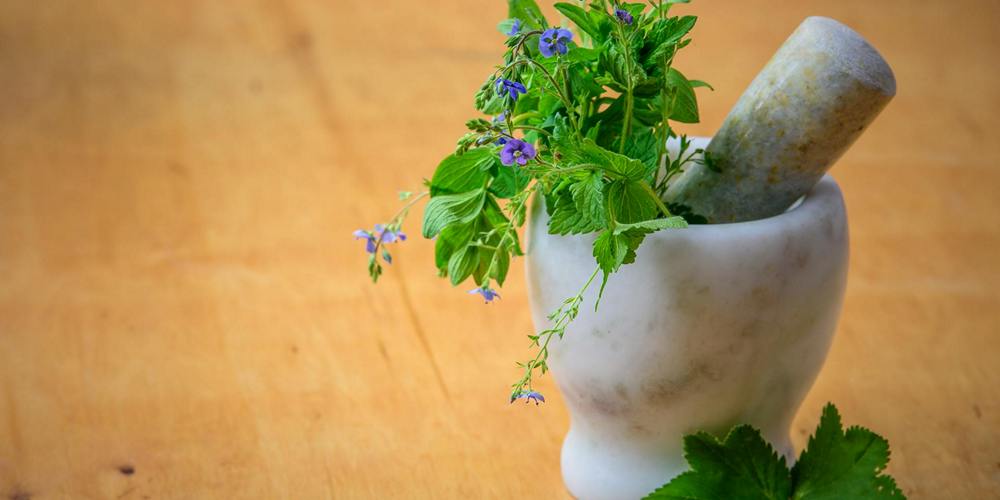
According to National Library of Medicine:
These herbs can be incorporated into your skincare routine in various forms, including cleansers, toners, serums, and masks. Whether you prefer to use them individually or in combination, harnessing the power of these natural ingredients can help you achieve clearer, healthier skin without the harshness often associated with synthetic ingredients.
Herbs in Your Daily Skin Care Routine
Adding herbal ingredients to your daily skin care routine can help you care for your skin while addressing specific concerns. Whether you want to improve hydration, manage excess oil, or maintain a healthy complexion, plant-based products offer several options. The key is to choose ingredients that suit your skin type and remember that natural products can still cause irritation or allergic reactions.- Cleansing: Start with a gentle cleanser that contains soothing ingredients such as Aloe Vera or Chamomile. These botanical extracts may help calm the skin while removing dirt, oil, and other impurities. Choose a cleanser that suits your skin type and helps maintain its natural moisture barrier. Products with mild cleansing agents are often a good choice, especially if your skin tends to feel dry or tight after washing.
- Toning: After cleansing, you can use a toner to refresh your skin and prepare it for the next steps in your routine. Witch hazel is a common ingredient in toners designed for oily skin, although alcohol-based formulas may cause dryness or irritation. Rose water toners offer a light, refreshing option, particularly when formulated without added fragrances or other ingredients that may irritate sensitive skin. Remember that a toner is optional, not an essential step for everyone.
- Moisturizing: A good moisturizer helps keep your skin hydrated and supports its natural protective barrier. Look for products containing Green Tea extract for its antioxidant properties or Aloe Vera for additional hydration. Some moisturizers also contain Lavender, but its essential oil and fragrance compounds may irritate sensitive skin. Apply moisturizer after cleansing to help maintain softness and prevent excessive moisture loss.
- Spot Treatments: If you experience occasional blemishes, a properly formulated product containing Tea Tree oil may help improve mild acne. Avoid applying concentrated essential oils directly to your skin, as they can cause irritation and allergic reactions. Chamomile extracts may help soothe minor irritation, but they are not a substitute for medical treatment when a skin condition persists or worsens.
- Weekly Treatments: A face mask can be a useful addition to your routine if you choose one that matches your skin's needs. Clay masks may help absorb excess oil, while products containing Turmeric or Neem are often marketed for blemish-prone skin. However, evidence supporting these herbs as acne treatments remains limited. Avoid masks that leave your skin feeling painfully tight, burning, or excessively dry, and follow the product's recommended application time.
Choosing Herbal Skin Care Products
Selecting the right herbal skin care products helps you get the most from botanical ingredients while reducing the risk of irritation. With so many creams, cleansers, oils, and lotions available, it is important to consider your skin type, the ingredients in each product, and the concerns you want to address. A natural label alone does not guarantee that a product is safe or effective, so take time to check its formulation and quality.Criteria for Selection
- Ingredients: Check the ingredient list for botanical extracts that match your skin care needs. Aloe Vera may help moisturize the skin, while Calendula and Chamomile are commonly used in soothing products. Tea Tree oil is found in some acne-focused formulations, and Lavender is often included for its fragrance. Remember that the benefits depend on the ingredient's concentration and formulation, and some plant extracts can cause irritation or allergic reactions.
- Formulation: Choose products designed to work with your skin rather than strip away its natural oils. If your skin is sensitive or dry, consider formulas without added fragrance or strong cleansing agents. Sulfates and parabens are not automatically harmful, so focus on the product's overall formulation and how your skin responds instead of avoiding ingredients based on their names alone.
- Skin Type Compatibility: Match the product to your skin's needs. If you have oily or acne-prone skin, a well-formulated product containing Tea Tree oil may help with mild blemishes, although results vary. For dry or sensitive skin, look for moisturizers containing Aloe Vera or soothing botanical extracts. Witch hazel may suit some oily skin types, but alcohol-based products can increase dryness and irritation.
- Certifications and Testing: Look for clear product labeling, reputable manufacturers, and information about safety testing. Dermatological testing may provide useful information, but the term alone does not guarantee that a product will suit everyone. Organic certification can confirm that certain production standards have been met, but it does not prove that a product is more effective or less likely to cause an allergic reaction.
- Sustainability: If environmental impact matters to you, look for brands that explain how they source their botanical ingredients and choose their packaging. Organic farming, responsible harvesting, recyclable materials, and reduced packaging can support more sustainable production. Transparent information about sourcing and manufacturing can help you make a more informed choice.
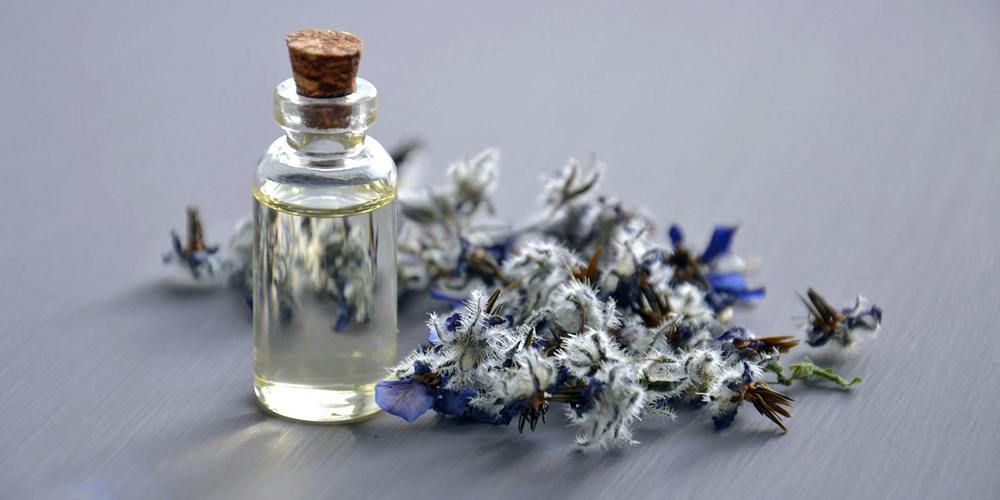
According to Nature.com:
These herbs can be incorporated into your skincare routine in various forms, including cleansers, toners, serums, and masks. Whether you prefer to use them individually or in combination, harBy carefully selecting herbal skincare products that align with these criteria, you can enhance your skincare routine with effective, natural solutions that promote healthy, radiant skin. Whether you're targeting specific issues or seeking overall skin improvement, incorporating herbal products into your regimen can lead to noticeable benefits over time while supporting a more natural approach to skincare.
Combining Herbs with Other Skin Care Practices
Combining herbal skin care products with proven daily habits can help you maintain healthy, comfortable skin. Herbal ingredients may support hydration and soothe minor irritation, but they work best as part of a consistent routine that includes sun protection, gentle cleansing, suitable exfoliation, and a balanced diet. These practices can help address common skin concerns without relying on herbal products alone.Sun Protection
Although herbs such as Green Tea contain antioxidants that may help protect skin cells from oxidative stress, they cannot replace sunscreen. Daily sun protection is one of the most effective ways to prevent sun damage and premature skin aging. Choose a broad-spectrum sunscreen with SPF 30 or higher and apply it generously to exposed skin. Reapply every two hours when outdoors and after swimming or sweating. Wearing protective clothing and seeking shade during periods of strong sunlight can provide additional protection.Exfoliation
Gentle exfoliation can remove dead skin cells from the skin's surface and help improve texture. Depending on your skin type, you might choose a mild chemical exfoliant or a gentle product containing finely ground oats. Sugar scrubs and other coarse exfoliants can cause irritation, especially on sensitive or acne-prone skin. Exfoliation does not necessarily make herbal ingredients work better, so use it only when needed and avoid excessive scrubbing that can damage the skin barrier.Hydration
Regular moisturizing helps maintain the skin's protective barrier and reduces moisture loss. Products containing Aloe Vera can provide hydration, while Rosehip oil can help soften the skin and support moisture retention. Choose a formula that suits your skin type and apply it after cleansing. Drinking enough water throughout the day also supports general health, although drinking extra water will not automatically make skin look younger or solve every dryness problem.Healthy Diet
A balanced diet provides nutrients that support normal skin function and overall health. Include a variety of fruits, vegetables, whole grains, protein sources, and foods rich in healthy fats, such as oily fish, walnuts, and flaxseeds. Vitamins, minerals, and other nutrients help maintain the skin's normal structure and support its natural repair processes. Although a healthy diet cannot guarantee clear skin or replace appropriate treatment for skin conditions, it can complement a consistent skin care routine and support long-term skin health.Stress Management
Chronic stress can exacerbate skin conditions like acne and eczema. Incorporate stress-relieving practices such as yoga, meditation, or deep breathing exercises into your daily routine. These practices help reduce stress hormones that can negatively impact skin health, allowing herbal remedies to work more efficiently.
According to American Academy of Dermatology:
By integrating these complementary practices with herbal skincare, you create a comprehensive approach to maintaining healthy, radiant skin. Each element works synergistically to enhance the benefits of herbal ingredients, promote skin vitality, and support long-term skin health. Embrace these holistic strategies to achieve optimal results and enjoy a glowing complexion naturally.
Conclusion
Adding herbal skin care products to your daily routine can be a practical way to support healthy, radiant-looking skin. As we've explored throughout this article, various herbs contain compounds that may help moisturize the skin, soothe minor irritation, and address certain skin concerns. Choosing the right ingredients can help you build a routine that fits your skin type and everyday needs.Aloe Vera, Tea Tree, Calendula, Chamomile, and Lavender are popular ingredients in herbal skin care products, each offering different potential benefits. Aloe Vera can help hydrate the skin, while Tea Tree oil may improve mild acne when used in a properly formulated product. Calendula and Chamomile are often used in soothing preparations, and some plant extracts provide antioxidants that help protect the skin from oxidative stress. However, results vary, and natural ingredients can still cause irritation or allergic reactions.
Herbal skin care can also support more environmentally conscious beauty choices. Products made with responsibly sourced ingredients and thoughtful packaging may help reduce environmental impact. Look for brands that provide clear ingredient information and explain their sourcing and manufacturing practices rather than relying on natural or organic claims alone.
Whether you choose ready-made herbal products or simple home treatments, the best skin care routine is one that suits your skin and delivers consistent results. Introduce new ingredients gradually, test products before regular use, and combine them with proven habits such as moisturizing and daily sun protection. Herbal ingredients can be a useful addition to your routine, but persistent acne, eczema, or other skin conditions may require professional care.
Featured Herbal Skin Care Product
Looking to enhance your skin's health? Discover natural methods that nourish and restore your skin's condition. Explore effective, chemical-free ways to improve your complexion and achieve glowing, healthy skin.Learn How to Improve Skin Condition Naturally
Related Articles
Guide to Choosing an Acne Treatment

When you seek for a good acne treatment, you usually want to find a really working and not very expensive product. But nowadays market is so overfull that it may seem impossible to find your acne treatment. The following guide to choosing an acne treatment can make your life a bit easier. Simply answer the following questions when you are choosing an acne treatment and you will see if this or that particular product is worth purchasing.
Female Adult Acne: Treat Adult Acne

Women may experience female adult acne during their whole life from puberty to their old years. Young women in their early twenties usually suffer from hormonal acne. However, those who are about 30 can develop female adult acne. Female adult acne pimples usually appear on face, especially chin and jaw. These problems may not disappear with age and can even get worse. If you want to achieve great results, see your dermatologist who will help you develop the best plan and offer the best acne products to treat adult acne.
Last Updated: 2026-10-12