
Men's Health
Male Enhancement, How to Get an Erection, Increase Sperm Volume, Penis Enlargement, Premature Ejaculation, ...All Men's Health Men's Health
Women's Health
Breast Enhancement, Female Libido Enhancement, Female Sexual Arousal, ...All Women's Health Women's Health
Acne & Skin Care
Acne Treatment, Boils Treatment, Rosacea Treatment, Skin Pigmentation, Stretch Marks, Varicose Veins, ...All Acne & Skin Care Acne & Skin Care
Digestive & Urinary Systems
Constipation, Diarrhea, Hemorrhoid, Irritable Bowel Syndrome, Sensitive Digestion, ...All Digestive & Urinary Systems Digestive & Urinary Systems
Weight Loss
Blocking Carbs and Fat, Body Detoxification, Boost Metabolism, Fat Burning, Increase Energy Levels, Obesity Treatment, Suppressing AppetiteSports and Fitness
Improve Sports Performance, Increase Endurance, Increase Strength, Muscle Building Supplements, Muscle Recovery, Weight Gainers, Workout IntensityMental Health & Neurology
Anxiety, Bad Mood, Chronic Fatigue Syndrome, Depression, Insomnia, Memory Loss, Neuropathy, Obsessive-Compulsive Disorder, Stress, ...All Mental Health & Neurology Mental Health & Neurology
Beauty & Well-being
Bad Breath, Brittle Nails, Eyelash Growth, Gray Hair, Hair Removal, Nail Fungus, Teeth Whitening, Tattoo RemovalAdvertisement

Add to Bookmarks
Complete Guide on How to Lose Body Weight without Losing Muscle
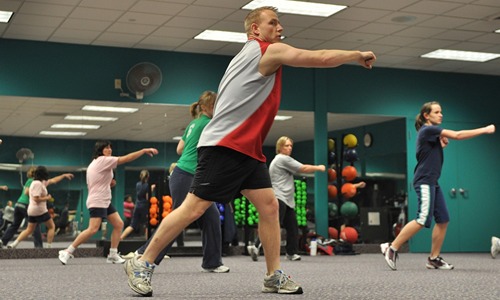 Starting a weight loss program often raises concerns about the potential loss of hard-earned muscle mass. It's a valid worry - after all, who wouldn't want to reveal a slimmer physique without sacrificing the toned muscles underneath?
In this guide, we review the art of losing body weight without bidding farewell to those precious muscles.
Introduction to Finding the Balance Between Pounds and Muscles
The quest for a healthier weight is not just about the numbers on the scale; it's about achieving a balanced and sustainable transformation. Many individuals fear that the path to shedding excess pounds might inadvertently lead to the loss of muscle mass, undermining the efforts they've put into strength training and fitness.Understanding this delicate balance is crucial. We're not promoting an extreme overhaul or a drastic cutback on calories that could potentially jeopardize your muscle gains. Instead, our focus is on a nuanced approach that considers the interplay between weight loss and muscle preservation.
Maintaining muscle mass is not just about aesthetics; it plays a pivotal role in supporting overall health and vitality. Muscles are metabolic powerhouses, contributing to the body's calorie-burning capacity. Preserving them ensures that your weight loss program isn't at the expense of a sluggish metabolism.
Understanding Fat Loss vs Muscle Loss During Weight Reduction
What Happens During Fat Loss
Fat loss occurs when the body uses stored fat as a source of energy. This process starts when calorie intake is lower than calorie expenditure. The body breaks down fat cells and converts them into usable fuel. This leads to a reduction in body fat percentage over time.A slow and controlled calorie deficit allows the body to rely more on fat stores. This helps preserve lean muscle mass. Fat loss improves body composition, which means a lower fat percentage and a more defined appearance.
What Happens During Muscle Loss
Muscle loss happens when the body breaks down muscle tissue for energy. This often occurs during extreme dieting, prolonged calorie restriction, or lack of physical activity. When protein intake is low, the body cannot maintain muscle tissue effectively.The body may also use muscle as fuel if energy needs are not met. This leads to a decrease in strength, slower metabolism, and a less toned appearance. Muscle loss reduces metabolic efficiency, making long-term weight management harder.
Key Differences Between Fat and Muscle Loss
Fat loss and muscle loss affect the body in different ways. Fat loss improves health markers and physical appearance. Muscle loss weakens the body and reduces strength.Fat tissue is stored energy, while muscle tissue is active and supports movement. Muscle also burns more calories at rest compared to fat. Preserving muscle helps maintain a higher metabolic rate.
Losing weight does not always mean losing fat. Many people lose a mix of fat, water, and muscle. The goal should be to maximize fat loss while minimizing muscle loss.
Why Rapid Weight Loss Is Risky
Fast weight loss often leads to muscle breakdown. Extreme calorie deficits force the body to find alternative energy sources. Muscle tissue becomes a target when fat stores are not used efficiently.Crash diets, excessive cardio, and poor nutrition increase this risk. These approaches may show quick results on the scale, but they harm body composition. Rapid weight loss often results in muscle loss instead of pure fat reduction.
How to Support Fat Loss While Preserving Muscle
Maintaining muscle during weight loss requires a balanced approach. A moderate calorie deficit helps the body focus on fat as the main energy source. Adequate protein intake supports muscle repair and maintenance.Regular resistance training signals the body to keep muscle tissue. Combined with proper nutrition, this approach helps achieve sustainable fat loss.
Understanding the Basics of Fat Loss and Muscle Preservation
It's essential to grasp the fundamental differences between losing fat and losing muscle. These two components of body composition respond differently to dietary changes and exercise routines.When we talk about losing weight, what we often aim for is shedding excess body fat. Fat is a stored energy source, and when the body is in a caloric deficit, it taps into these fat reserves for fuel. However, the challenge arises when the body also begins to break down muscle tissue for energy, especially if the weight loss process is too rapid or lacks a strategic approach.
Muscle loss during weight loss is not only undesirable for those seeking a toned physique but also poses potential health risks. Building muscles is vital for various bodily functions, including mobility, strength, and metabolism. Losing muscle mass may lead to a reduction in overall strength, a slower metabolism, and a less sculpted appearance.
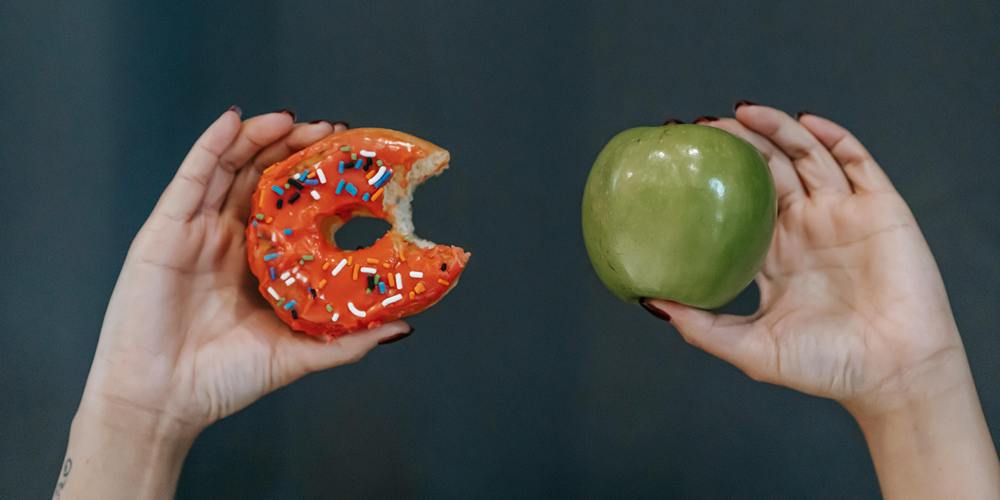
According to American Society for Nutrition:
The body's response to a caloric deficit involves utilizing both fat and muscle for energy. The key is to create a scenario where the body prioritizes fat breakdown over muscle breakdown. This can be achieved through a combination of factors, including proper nutrition, targeted exercise, and an awareness of the body's unique needs.
Finding the Right Calorie Deficit to Protect Muscle Mass
What Is a Calorie Deficit
A calorie deficit occurs when the body uses more energy than it receives from food. This forces the body to rely on stored energy, mainly from fat. A controlled deficit supports gradual fat loss without harming muscle tissue.The key is balance. The body needs enough energy to maintain essential functions and support physical activity. A moderate deficit helps preserve lean muscle while reducing body fat.
Recommended Deficit Range
A safe calorie deficit usually ranges between 10% and 20% of daily energy needs. This range allows steady weight loss without placing excessive stress on the body. For most people, this leads to a weight loss of about 0.5 to 1 pound per week.Larger deficits may produce faster results, but they increase the risk of muscle breakdown. The body may not get enough nutrients to maintain muscle tissue. Slow and steady weight loss is more effective for maintaining muscle mass.
Risks of Aggressive Calorie Restriction
Severe calorie restriction can trigger muscle loss. When energy intake drops too low, the body looks for alternative fuel sources. Muscle tissue becomes a target, especially if protein intake is insufficient.This approach also slows metabolism. The body adapts by reducing energy expenditure. This makes further weight loss harder and increases the chance of weight regain. Extreme dieting often leads to poor body composition outcomes.
Adjusting Calories Based on Activity Level
Physical activity plays a key role in setting the right calorie deficit. Active individuals need more energy to support workouts and recovery. A slightly higher calorie intake helps maintain performance and muscle strength.Strength training increases the demand for nutrients, especially protein. Adjusting calorie intake based on training intensity helps protect muscle mass. Matching calorie intake with activity level supports better fat loss results.
Signs Your Deficit Is Too Low
Certain signs indicate an excessive calorie deficit. These include fatigue, strength loss, poor recovery, and constant hunger. A drop in workout performance often signals muscle loss.Monitoring these signs helps guide adjustments. Increasing calorie intake slightly can improve energy levels and protect muscle tissue.
How to Lose Body Weight without Losing Muscle?
How to lose body weight without losing muscle? The following steps are some basic ideas to help you lose weight:- Change your diet
- Exercise
- Use all natural weight loss substances
Common Mistakes That Lead to Muscle Loss During Weight Loss
Extreme Calorie Restriction
Many people reduce calories too aggressively in an attempt to lose weight quickly. This approach limits the energy available for basic body functions and muscle maintenance. When the body lacks sufficient fuel, it starts breaking down muscle tissue for energy.Extreme dieting also reduces nutrient intake. This affects recovery and weakens overall performance. Severe calorie restriction increases the risk of losing muscle instead of fat.
Excessive Cardio Without Strength Training
Cardio exercise helps burn calories, but too much cardio without resistance training can lead to muscle loss. Long sessions of low-intensity cardio signal the body to adapt by becoming more efficient, which may reduce muscle mass over time.Strength training provides the necessary stimulus to maintain muscle. Without it, the body has no reason to preserve lean tissue. A lack of resistance training shifts weight loss toward muscle breakdown.
Inadequate Protein Intake
Protein is essential for maintaining muscle during a calorie deficit. Low protein intake limits the body's ability to repair and rebuild muscle fibers. This increases the likelihood of muscle loss, especially during prolonged dieting.Skipping protein-rich meals or relying on low-quality food sources can worsen this issue. Insufficient protein intake directly contributes to reduced muscle mass.
Poor Recovery and Lack of Sleep
Recovery plays a key role in preserving muscle. Without enough rest, the body cannot repair muscle tissue effectively. Sleep deprivation increases stress levels, which can promote muscle breakdown.Overtraining without proper recovery also places stress on the body. This leads to fatigue and reduced performance. Poor recovery habits increase the risk of muscle loss during weight reduction.
Ignoring Strength and Performance Levels
A drop in strength is often an early sign of muscle loss. Many people focus only on scale weight and ignore performance changes. This can lead to unnoticed muscle breakdown.Tracking strength and workout progress helps identify problems early. Maintaining or improving strength levels supports muscle preservation. Performance tracking is essential for protecting lean muscle mass.
Weight Loss Diet
The best thing you can do to lose body weight is watch what you eat. Cut back on sugars and carbs. These foods cause your body to produce insulin. Insulin is the main hormone for storing fat in your body. When there is less insulin in your system, you can lose fat more easily.You won't even need to count calories as long as you keep your carbs down and stick to a high protein, low carb diet. If you need help keeping track of your diet, there are many apps that can help you manage what you eat. Try and keep carbs under 20 to 50 grams a day and get your calories from fat and protein.
Nutrition for Muscle Preservation
As you start losing body weight without bidding farewell to your hard-earned muscles, the role of nutrition takes center stage. A balanced and strategic approach to eating is crucial to ensure that your body taps into fat stores for energy while preserving precious muscle mass.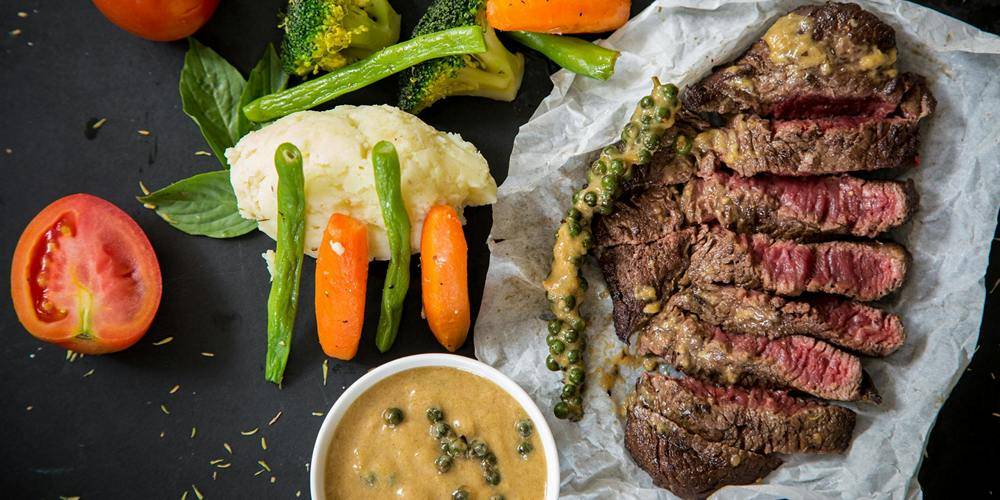
According to Harvard School of Public Health:
Protein, often hailed as the building block of muscles, plays a starring role in this nutritional narrative. Including an adequate amount of protein in your diet is paramount for muscle preservation during weight loss. Sources such as lean meats, poultry, fish, eggs, dairy products, and plant-based options like beans and tofu can provide the amino acids necessary for maintaining and repairing muscles.
Emphasizing nutrient-dense, whole foods is a key strategy. Vegetables, fruits, whole grains, and nuts provide a plethora of vitamins, minerals, and antioxidants, supporting your body's overall health while aiding in weight loss. These foods are not only nutrient-rich but also often lower in calorie density, allowing you to consume satisfying portions without overdoing the calories.
Weight Loss Exercises
You don't need to exercise to lose body weight, but you should add plenty of physical activity. You don't have to kill yourself. Try lifting weights 3 times a week to start. Make sure find a proper routine and exercise safely to reduce injuries. This will burn calories and keep your metabolism up. To lose weight even quicker, try doing cardio exercise.Try to do at least 30 minutes of cardio a day. You will burn more calories than if you lift weights. To take your cardio to the next level try intense interval training. Intense periods of exercise followed by a short rest are known to melt away fat and get people in shape fast.
Effective Exercise Strategies for Muscle Preservation
When it comes to losing body weight, incorporating effective exercise strategies is a game-changer. A well-rounded fitness routine that combines both cardiovascular workouts and strength training is the key to striking the right balance.Cardiovascular exercises, such as running, cycling, or swimming, play a pivotal role in burning calories and promoting fat loss. Engaging in regular cardio workouts elevates your heart rate, contributing to a calorie deficit that encourages the body to tap into stored fat for energy. However, it's essential to approach cardio with a mindful perspective to avoid excessive stress on the muscles.
Complementing cardio, strength training is the unsung hero in the quest for weight loss without muscle loss. Lifting weights or performing resistance exercises not only helps to maintain existing muscle mass but can also stimulate muscle growth. As you lose weight, the preservation and growth of muscles contribute to a more sculpted and toned appearance.
Focus on compound exercises that target multiple muscle groups simultaneously. Squats, deadlifts, bench presses, and pull-ups are excellent choices. These compound movements not only maximize calorie expenditure during the workout but also engage a variety of muscles, promoting overall strength and muscle retention.
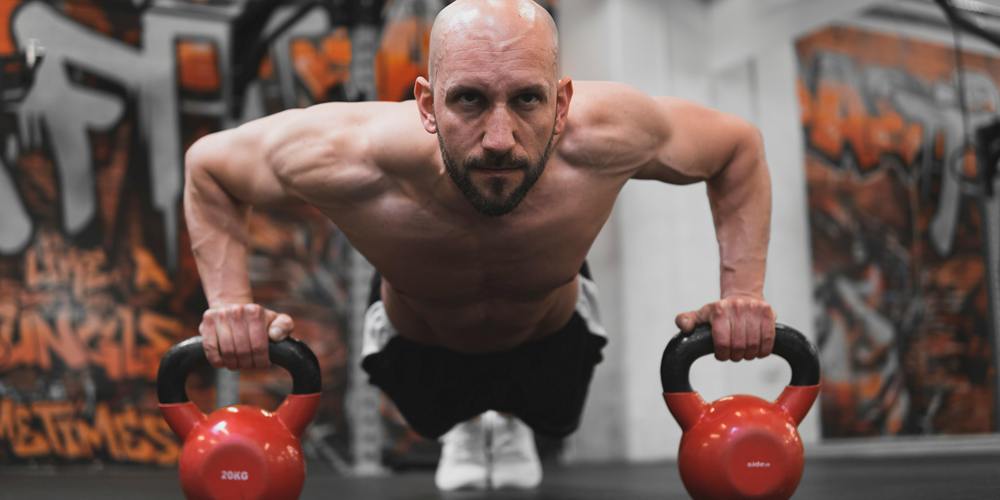
According to Ohio University:
Maintaining consistency is key. Aim for a well-balanced exercise routine that includes both cardiovascular workouts and strength training sessions throughout the week. Tailor your workouts to your fitness level, gradually increasing intensity to avoid overtraining and potential muscle breakdown.
All Natural Weight Loss Pills
Another great way to lose body weight is with all natural weight loss pills. You can take these dietary supplements to speed up the weight loss process and fight fat. The results will be quicker than any other method.Be careful if you are taking weight loss supplements while exercising. Read the label carefully before you do. Supplements will increase your metabolism which causes you to lose body weight more quickly.
Natural Supplements for Weight Loss
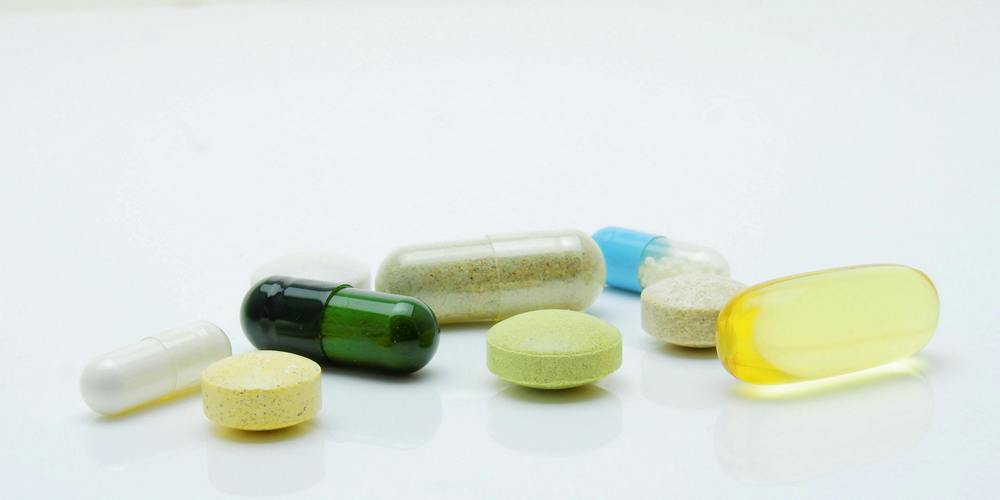
In the pursuit of shedding body weight while preserving muscle, natural supplements can serve as valuable allies. While they aren't magic solutions, certain supplements have shown promise in supporting metabolism, enhancing fat loss, and aiding overall weight management.- Green Tea Extract: Known for its antioxidant properties, green tea extract has gained popularity in the realm of weight loss. The catechins in green tea, particularly epigallocatechin gallate (EGCG), may boost metabolism and encourage the body to burn more calories. Additionally, green tea extract has been associated with improved fat oxidation, making it a contender for those looking to enhance their weight loss programs naturally.
- Caffeine: A well-known stimulant, caffeine is not just for morning pick-me-ups. It can also be a helpful addition to your weight loss arsenal. Caffeine has been shown to increase metabolic rate and promote fat burning. However, moderation is key, as excessive caffeine intake can lead to jitteriness and disrupt sleep.
- Garcinia Cambogia: Derived from the rind of the Garcinia Cambogia fruit, hydroxycitric acid (HCA) is believed to inhibit an enzyme that helps the body store fat. While research is ongoing, some studies suggest that Garcinia Cambogia may contribute to modest weight loss. As with any supplement, it's essential to approach it with a balanced perspective and not solely rely on its effects.
- Protein Supplements: For those struggling to meet their protein requirements through diet alone, protein supplements can be a convenient option. Whey protein, in particular, is rich in essential amino acids and has been linked to supporting muscle preservation during weight loss.
According to WebMD:
Before incorporating any supplements into your routine, it's crucial to consult with a healthcare professional to ensure they align with your individual health needs. Supplements should complement a well-rounded approach that includes a balanced diet, regular exercise, hydration, and adequate sleep.
How to Track Fat Loss Without Losing Muscle
Why Scale Weight Is Not Enough
Scale weight shows total body mass, but it does not distinguish between fat, muscle, and water. A drop in weight may include muscle loss, which is not the desired outcome. Relying only on the scale can lead to misleading conclusions.Body composition matters more than total weight. Focusing only on the scale can hide muscle loss and slow long-term progress. A more detailed approach provides better insight into actual changes.
Using Body Measurements
Tracking body measurements helps monitor fat loss more accurately. Common areas include waist, hips, thighs, and arms. A reduction in these measurements often indicates fat loss rather than muscle loss.Consistent measurement methods improve accuracy. Taking measurements at the same time each week under similar conditions provides reliable data. Changes in body measurements reflect improvements in body composition.
Monitoring Strength and Performance
Strength levels are a key indicator of muscle preservation. Maintaining or increasing strength during weight loss suggests that muscle mass is intact. A decline in performance may signal muscle loss.Tracking workouts, including weights lifted and repetitions, helps monitor progress. This method provides clear feedback on physical performance. Stable strength levels support effective muscle maintenance.
Progress Photos for Visual Tracking
Progress photos offer a visual way to assess changes in body composition. Photos can reveal fat loss and muscle definition that may not appear on the scale. Comparing images over time shows trends in physical changes.Using consistent lighting, angles, and poses improves comparison accuracy. Regular photos, taken weekly or biweekly, provide useful visual evidence. Visual tracking helps identify fat loss while preserving muscle tone.
Combining Multiple Tracking Methods
No single method provides a complete picture. Combining scale weight, body measurements, strength tracking, and photos offers a balanced approach. This allows better evaluation of fat loss and muscle retention.Regular tracking helps identify issues early. Adjustments to diet or training can then be made to protect muscle mass. Using multiple tracking methods ensures more accurate and sustainable results.
Roundup of Weight Loss Tips
Achieving a leaner, stronger physique involves a harmonious interplay of nutrition, exercise, hydration, recovery, and, when chosen thoughtfully, natural supplements.- Drink Lots of Water. Drinking plenty of water can help you eat fewer calories and boost your metabolism.
- Drink Coffee or Tea. Both of these drinks contain caffeine that will boost your metabolism for a short period of time.
- Eat Lots of Fiber. Eating viscous fiber can help lose weight around your stomach area.
- Portion Control. Try using smaller plates and other little mental hacks to keep your portions in control.
- Manage your Sleep. Believe it or not, poor sleep habits can affect weight loss. Keep good sleep hygiene and you will support weight loss.
Conclusion: How to Burn Fat While Preserving Lean Muscle Mass
The significance of nutrition cannot be overstated. Prioritizing whole, nutrient-dense foods, controlling portions, and staying adequately hydrated lay the groundwork for success. Remember, it's not just about cutting calories; it's about nourishing your body to support its overall health and vitality.Effective exercise strategies encompass a dynamic duo of cardiovascular workouts and strength training. Cardio burns calories, contributing to a calorie deficit, while strength training maintains and stimulates muscle growth. Finding the right balance ensures that you sculpt a physique that reflects both fitness and strength.
Hydration and recovery are often underestimated components of the weight loss program. Proper hydration supports bodily functions and muscle functionality, while sufficient rest and sleep aid in muscle repair and overall well-being. Recognizing the importance of these elements contributes to sustained momentum and success.
Natural supplements can play a supportive role, but they are not a shortcut to success. Green tea extract, CLA, Garcinia cambogia, and protein supplements may offer benefits, but their effectiveness varies, and caution is advised. Always consult with healthcare professionals before incorporating supplements into your routine.
Featured Weight Loss Pills
Losing body weight without losing muscle is a nuanced process that requires patience, consistency, and a personalized approach. Armed with the tips from this guide, you're better equipped to start a weight loss program while keeping or even building muscles. Remember that true transformation is not just physical; it's a holistic evolution of mind and body.Find the Best Natural Weight Loss Pills
Related Articles
Causes of Childhood Obesity

Childhood obesity can be seen predominately in many nations around the world. In countries where people have an abundance of local and imported food sources, childhood obesity can be seen as an epidemic. What are the causes of childhood obesity? Why are developed nations so prone to having high numbers of overweight children? According to the CDC, childhood obesity rates have quadrupled in past 3 decades. There are many risk factors that seem to come from all sides, usually at least one of them is present in cases of childhood obesity.
Healthy Detox for Weight Loss
Healthy lifestyle and natural weight loss is the goal for many people worldwide suffering from obesity problems. Healthy detox programs not only work great for the weight loss but also strengthens the immunity, purifies the blood, keeps you away from diseases and enhances overall health for an active living. Healthy detox for weight loss should include pills that regulate the toxin removal process without going through other strenuous processes like restricted diets, costly treatments, etc.
Metabolism Boosters for Weight Loss

If you are overweight and having problems in controlling your weight, it is more likely that you are facing a slow metabolism. People with faster metabolic rate quickly burn their calories and remain slim despite eating more food. If you want to boost your metabolism or need to support your diet and exercise regime, you should always choose natural metabolism boosters for weight loss.
Last Updated: 2026-04-14