
Men's Health
Male Enhancement, How to Get an Erection, Increase Sperm Volume, Penis Enlargement, Premature Ejaculation, ...All Men's Health Men's Health
Women's Health
Breast Enhancement, Female Libido Enhancement, Female Sexual Arousal, ...All Women's Health Women's Health
Acne & Skin Care
Acne Treatment, Boils Treatment, Rosacea Treatment, Skin Pigmentation, Stretch Marks, Varicose Veins, ...All Acne & Skin Care Acne & Skin Care
Digestive & Urinary Systems
Constipation, Diarrhea, Hemorrhoid, Irritable Bowel Syndrome, Sensitive Digestion, ...All Digestive & Urinary Systems Digestive & Urinary Systems
Weight Loss
Blocking Carbs and Fat, Body Detoxification, Boost Metabolism, Fat Burning, Increase Energy Levels, Obesity Treatment, Suppressing AppetiteSports and Fitness
Improve Sports Performance, Increase Endurance, Increase Strength, Muscle Building Supplements, Muscle Recovery, Weight Gainers, Workout IntensityMental Health & Neurology
Anxiety, Bad Mood, Chronic Fatigue Syndrome, Depression, Insomnia, Memory Loss, Neuropathy, Obsessive-Compulsive Disorder, Stress, ...All Mental Health & Neurology Mental Health & Neurology
Beauty & Well-being
Bad Breath, Brittle Nails, Eyelash Growth, Gray Hair, Hair Removal, Nail Fungus, Teeth Whitening, Tattoo RemovalAdvertisement

Add to Bookmarks
Metabolism Boosters for Weight Loss: How to Speed Up Metabolism and Lose Weight?
 Have you ever wondered why some people don't gain weight despite stuffing themselves at every possible occasions while you are struggling with your weight loss program even after taking all the precautions and following diet restrictions?
If you are overweight and having problems in controlling your weight, it is more likely that you are facing a slow metabolism.
What Is Metabolism and How Does It Work?
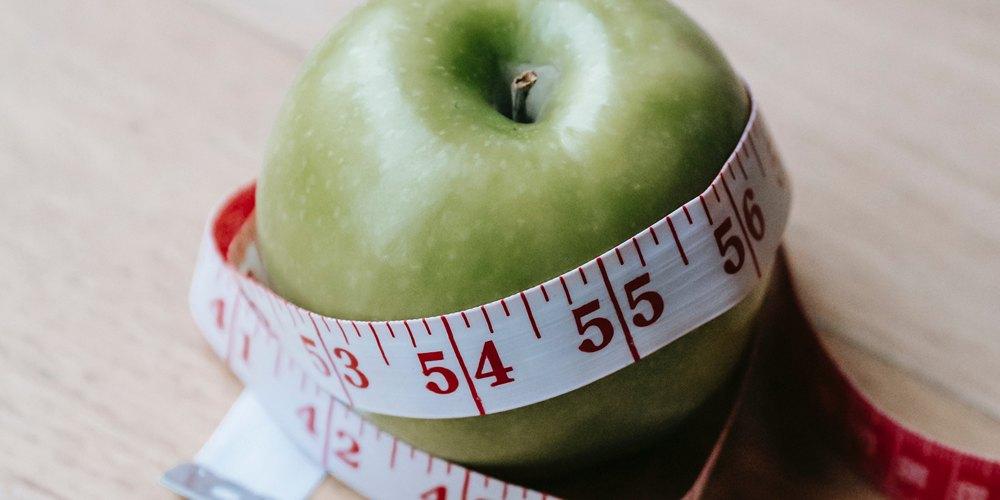
Maintaining a healthy weight is essential for a happy and fulfilling life. Unfortunately, weight gain has become a significant concern for people across the globe. According to the World Health Organization, over 2.1 billion adults were overweight in 2020, and of these, over 750 million were obese. Obesity is associated with various health complications, such as heart disease, diabetes, high blood pressure, and more. It can also affect one's self-esteem and mental health.One of the key factors that contribute to weight gain is metabolism. Metabolism is a complex biochemical process that occurs in the body to convert food into energy. It includes various chemical reactions that break down the food we eat into smaller molecules, which the body uses to fuel its functions. The rate at which these reactions occur is known as metabolic rate.
According to Harvard Medical School:
A higher metabolic rate means that the body burns more calories, even when it's at rest. This is why boosting metabolism is often considered a critical strategy for losing weight.
Slow Metabolism
Biologically, metabolism is the biochemical processes that sustain life, but from our weight loss perspective, metabolism refers to several organs and glands that determine how your body burns food energy and utilizes it to support your life. The stomach, small and large intestines, colon, pancreas and the thyroid glands are the main body organs that contribute to your metabolic rate. When imbalances occur in any of these system, then you may face a slow metabolism.Even if we ignore the imbalances in these systems, individuals have a unique metabolism. People metabolize food and use calories at different rates. In fact, metabolism of each individual differs like their fingerprints. Metabolism is directly related to your intake of food energy, vitamin and nutrition requirements, level of thyroid and endocrine production, and a harmonious balance of different systems.
Signs of a Slow Metabolism
Unexplained Weight Gain
A slow metabolism often leads to gradual weight gain without major changes in diet or activity level. The body burns fewer calories at rest, which causes excess energy to be stored as fat. Many people notice that they gain weight even when they eat the same amount of food as before. This change may become more noticeable with age or reduced physical activity.Constant Fatigue and Low Energy
People with a slow metabolism often experience persistent tiredness throughout the day. The body converts food into energy less efficiently, which leads to reduced stamina. Even after a full night of sleep, individuals may feel sluggish and unmotivated. This symptom can affect daily productivity and reduce interest in physical activity.Difficulty Losing Weight
One of the most common signs is struggling to lose weight despite efforts. A slow metabolism reduces the number of calories burned during exercise and rest. This makes weight loss slower and more frustrating. Even with a healthy diet and regular workouts, progress may be minimal.Feeling Cold More Often
A slower metabolic rate can reduce heat production in the body. As a result, individuals may feel unusually sensitive to cold temperatures. Cold hands and feet are common signs. This happens because the body generates less internal heat when calorie burning is reduced.Increased Body Fat Storage
The body tends to store fat more easily when metabolism slows down. Instead of using calories for energy, the body keeps them as fat reserves. This often leads to fat accumulation around the abdomen, hips, and thighs. Over time, this can increase the risk of other health concerns.Slower Heart Rate and Digestion
A slow metabolism may also affect internal body processes. Some people notice slower digestion, bloating, or irregular bowel movements. Others may experience a lower resting heart rate. These signs indicate that the body is operating at a reduced pace overall.Reduced Physical Performance
A drop in metabolic rate can lead to lower strength, endurance, and overall physical performance. Workouts may feel more difficult than usual, and recovery time may increase. This can create a cycle where reduced activity further slows metabolism.Recognizing these signs helps identify when metabolic function needs support through lifestyle changes and natural approaches.
Understanding Metabolism and Weight Loss
Metabolism plays a crucial role in weight loss and gain. When you consume food, your body breaks it down into smaller molecules such as amino acids, fatty acids, and glucose, which can be used as fuel for the body's functions. The rate at which your body burns these calories is known as your metabolic rate. A higher metabolic rate means that your body burns more calories, even when you are at rest.Causes of slow metabolism
However, various factors can cause a slow metabolism, which makes it challenging to lose weight. One of the most common causes of a slow metabolism is age. As we age, our metabolic rate naturally slows down, which means we burn fewer calories, even when we are at rest. Other factors that can slow down metabolism include hormonal imbalances, such as hypothyroidism, and a sedentary lifestyle.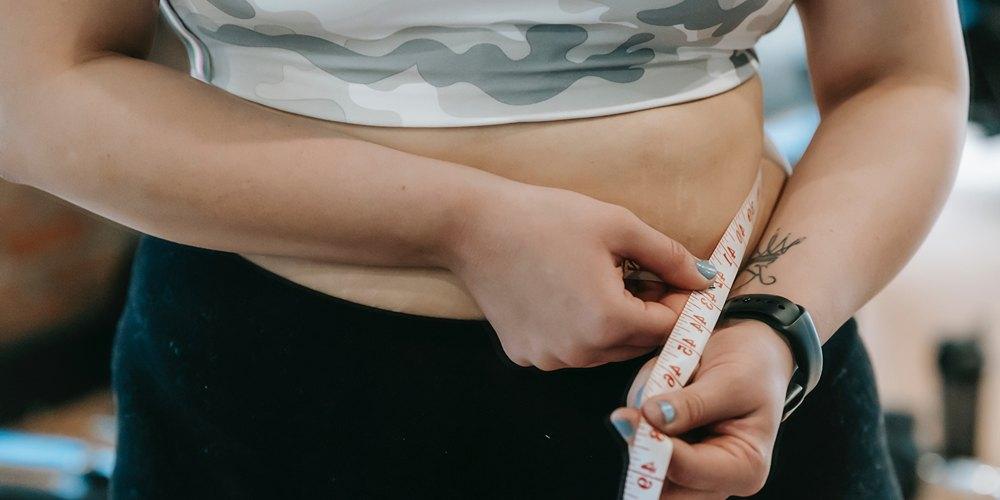
According to HealthLine:
A slow metabolism can also lead to weight gain, as the body burns fewer calories than it consumes. This creates a calorie surplus, which is stored in the body as fat. Over time, this can lead to obesity and related health issues.
How to achieve weight loss through metabolism?
To achieve weight loss through metabolism, it's essential to create a calorie deficit through a healthy diet and regular exercise. Eating a diet rich in protein, fiber, and complex carbohydrates can help boost metabolism, as these foods require more energy to digest than processed foods.
According to ScienceDaily:
Additionally, incorporating strength training and high-intensity interval training (HIIT) into your workout routine can help increase muscle mass, which can boost metabolism.
How to Boost Metabolism?
People with faster metabolic rate quickly burn their calories and remain slim despite eating more food. Those who suffer from a slow metabolism are more likely to become obese. If you can increase your resting metabolism, you will burn more calories and restore your fabulous look within a few months. This is the reason why some fitness experts claim that they have developed unique approaches or methodologies to boost the individual's metabolism.Irrespective of their claims, physical activity and exercises are the surest way to boost metabolism. Exercises build muscle mass and you burn more calories. They also prevent aging related metabolic slowdown. It's very important that you stick to your exercise regime.
If you want to lose weight, you can boost metabolism by following these tips:
- Lead an active life and consider your exercise regime as one of the most important parts of your daily schedule.
- Eat smartly rather than mindlessly stuffing yourself. Reduce your fat and sugar intake to recommended level and include fruits, vegetables and whole grains in your diet.
- Follow your diet plans, particularly when eating snacks or drinking alcoholic beverages.
Natural ways to boost metabolism
There are certain lifestyle changes and natural ways that can help boost metabolism and promote weight loss. Incorporating these changes into your daily routine can provide long-term benefits for overall health and well-being.Diet plays a crucial role in boosting metabolism naturally. Consuming whole foods such as lean protein, fruits, vegetables, and whole grains can increase metabolic rate as these foods require more energy to digest than processed foods. Additionally, consuming foods high in fiber can help regulate blood sugar levels, which can help prevent insulin resistance and slow metabolism.
One of the most important lifestyle changes to boost metabolism is to maintain a consistent eating schedule. Eating at regular intervals can help regulate blood sugar levels and prevent insulin resistance, which can slow down metabolism. Aim to eat three meals and two snacks per day, and try to eat at around the same time each day.
Regular exercise is also essential for boosting metabolism. Aerobic exercise such as running, cycling, or swimming can help burn calories and increase metabolic rate. Additionally, strength training and high-intensity interval training (HIIT) can help increase muscle mass, which can boost metabolism even when you're not exercising. Simple changes such as taking the stairs instead of the elevator, parking farther away from your destination, or taking a walk during your lunch break can help increase physical activity and boost metabolism.
Another factor that affects metabolism is sleep. Getting enough sleep is essential for overall health and well-being, but it can also affect metabolic rate. Lack of sleep can disrupt hormonal balance, which can lead to a slower metabolism. Aim to get seven to eight hours of sleep each night to help regulate metabolism and prevent weight gain.
Drinking plenty of water is also important for boosting metabolism. Dehydration can slow down metabolism, so it's essential to drink enough water to keep your body hydrated.
Finally, managing stress is crucial for maintaining a healthy metabolism. Stress can disrupt hormonal balance and lead to a slower metabolism. Practicing stress management techniques such as meditation, yoga, or deep breathing exercises can help reduce stress and improve overall health and well-being.

According to VeryWellFit:
Incorporating natural methods into your lifestyle can help boost metabolism and promote weight loss. However, if you're looking for additional support, metabolism boosters can be effective.
Best Foods That Help Boost Metabolism
High-Protein Foods
Protein-rich foods play a key role in increasing metabolic rate. The body uses more energy to digest protein compared to fats or carbohydrates. This process is known as the thermic effect of food, and it helps burn more calories during digestion. Good options include lean meats, eggs, dairy products, and plant-based protein sources. Regular intake of protein also supports muscle maintenance, which further improves calorie burning.Fiber-Rich Foods
Fiber helps regulate digestion and keeps the body active internally. Foods high in fiber require more effort to break down, which supports a steady and efficient metabolism. Whole grains, vegetables, fruits, and legumes are strong choices. Fiber also promotes a feeling of fullness, which helps control appetite and reduce overeating.Spicy Foods
Certain spices can provide a temporary boost to metabolism. Ingredients like chili peppers contain natural compounds that may increase calorie burning for a short period. While the effect is moderate, adding spicy foods to meals can support slight increases in energy expenditure when combined with a balanced diet.Healthy Fats
Not all fats slow metabolism. Healthy fats support hormone balance and provide long-lasting energy. Sources such as nuts, seeds, avocados, and plant oils help maintain stable metabolic function. These fats also support nutrient absorption and overall health.Whole, Unprocessed Foods
Whole foods require more energy to digest than processed options. Fresh vegetables, fruits, whole grains, and natural protein sources support consistent calorie burning and better energy use. In contrast, highly processed foods often lead to slower metabolism due to their low nutritional value.Metabolism-Supporting Beverages
Some drinks can assist metabolic activity. Green tea and coffee may provide a mild boost due to natural stimulants. Water is also essential, as proper hydration supports efficient calorie burning and energy production. Drinking enough fluids throughout the day helps maintain overall metabolic balance.The Role of Exercise in Increasing Metabolism
Strength Training and Muscle Mass
Strength training is one of the most effective ways to boost metabolism. Exercises such as weightlifting, resistance band workouts, and bodyweight movements help build muscle. Muscle tissue burns more calories than fat, even at rest. This means that increasing muscle mass leads to a higher resting metabolic rate. Regular strength training sessions can improve body composition and support long-term calorie burning.High-Intensity Interval Training (HIIT)
High-intensity interval training involves short bursts of intense activity followed by brief recovery periods. This type of exercise increases heart rate quickly and pushes the body to use more energy. HIIT workouts are known for creating an afterburn effect, where the body continues to burn calories even after the workout ends. This makes HIIT an efficient option for people with limited time.Daily Movement and Activity Levels
Metabolism is not only influenced by structured workouts. Daily movement also plays a key role. Activities such as walking, climbing stairs, and standing instead of sitting help increase overall energy use. A more active lifestyle supports consistent calorie burning throughout the day. Small changes in routine can have a noticeable impact over time.Cardiovascular Exercise
Cardio exercises such as running, cycling, and swimming help improve heart health and increase calorie expenditure. Regular cardio sessions support immediate calorie burning and improve endurance. While cardio alone may not build muscle as effectively as strength training, it still contributes to a healthy metabolic rate when combined with other activities.Consistency and Recovery
Regular exercise is essential for maintaining an active metabolism. Inconsistent workouts may limit progress and reduce results. At the same time, proper recovery is important. Rest days allow the body to repair and rebuild muscle tissue. A balanced routine that includes both activity and recovery helps maintain steady metabolic function and long-term results.Natural Metabolism Boosters: Pills and Supplements
In addition to natural methods, metabolism boosters can help increase metabolic rate and promote weight loss. However, it's essential to understand how these products work and their potential risks before incorporating them into your routine.Natural metabolism boosters aim to help the body burn calories more efficiently. These products often rely on plant-based ingredients that support energy production and fat breakdown. Their main goal is to enhance the body's natural metabolic processes rather than force rapid changes. When combined with a healthy lifestyle, they may contribute to gradual and steady weight management.
Most common metabolism boosters
One of the most popular metabolism boosters is caffeine. Caffeine is a stimulant that can increase metabolic rate and promote weight loss. It's often found in coffee, tea, and energy drinks. While caffeine can be an effective metabolism booster, it's important to consume it in moderation as too much caffeine can cause jitteriness, anxiety, and insomnia.Another popular metabolism booster is green tea extract. Green tea contains a compound called catechins, which can increase metabolic rate and promote fat burning. Green tea extract is available in supplement form, but it's important to choose a reputable brand and follow the recommended dosage.
Other metabolism boosters include supplements such as L-carnitine, conjugated linoleic acid (CLA), and chromium. These supplements claim to increase metabolic rate and promote weight loss, but there is limited research on their effectiveness. It's essential to do your research and consult with a healthcare professional before incorporating these supplements into your routine.

According to Dr. Axe:
While metabolism boosters can be effective, it's important to remember that they're not a magic solution for weight loss. A healthy diet, regular exercise, and lifestyle changes are still essential for long-term weight loss and overall health and well-being.
Herbal-Based Ingredients
Many natural boosters include herbal extracts that have been used for general wellness. These ingredients may help improve energy levels and support digestion. Some herbs are believed to encourage the body to use stored fat as energy. While results can vary, consistent use may provide mild metabolic support without extreme effects.These products focus on reducing appetite and controlling cravings. This helps lower daily calorie intake, which supports weight loss over time. Others aim to increase energy levels, making it easier to stay active throughout the day. Together, these effects can lead to a better balance between calorie intake and calorie burning.
How to choose metabolism boosters for weight loss?
We all know that physical activity and exercises are the best options for staying fit and healthy, but sometimes, the challenges of taking care of your family or raising kids may be more demanding, and leave hardly any time to spare in the gym. In that case, you may want alternative solutions to boost your resting metabolism.In fact, health and fitness industry is flooded with metabolism boosters for weight loss. You will find countless products that claim to restore imbalances within your body and boost your metabolism. Unfortunately, gimmicks and fads can harm your body rather than maintaining your muscle mass, preventing metabolic slowdown or boosting metabolism.
If you want to boost your metabolism for weight loss by using these alternative solutions or need to support your diet and exercise regime with metabolism boosters, you should always choose natural metabolism boosters to avoid any harm or side effects to your body. If we exclude proper nutrition and exercises, natural metabolism boosters are probably the best options to lose weight by increasing your resting metabolism.
Summary: How to Speed Up Metabolism and Lose Weight?
In conclusion, metabolism plays a crucial role in weight loss and overall health and well-being. While genetics and age can impact metabolic rate, there are natural methods, metabolism boosters, and lifestyle changes that can help boost metabolism and promote weight loss.Natural methods such as increasing protein intake, drinking enough water, and incorporating high-intensity interval training into your exercise routine can help increase metabolic rate and promote fat burning. Additionally, metabolism boosters such as caffeine and green tea extract can be effective, but it's important to choose reputable brands and follow recommended dosages.

According to Centers of Disease Control and Prevention:
Incorporating lifestyle changes such as maintaining a consistent eating schedule, increasing physical activity throughout the day, reducing stress levels, and getting enough sleep can also help boost metabolism and promote weight loss.
Featured Metabolism Boosters
By incorporating these natural methods, metabolism boosters, and lifestyle changes into your routine, you can help boost metabolism and promote weight loss in a safe and effective way. Remember to be patient, consistent, and prioritize overall health and well-being.Find the Best Natural Metabolism Boosters
Related Articles
Causes of Childhood Obesity

Childhood obesity can be seen predominately in many nations around the world. In countries where people have an abundance of local and imported food sources, childhood obesity can be seen as an epidemic. What are the causes of childhood obesity? Why are developed nations so prone to having high numbers of overweight children? According to the CDC, childhood obesity rates have quadrupled in past 3 decades. There are many risk factors that seem to come from all sides, usually at least one of them is present in cases of childhood obesity.
Healthy Detox for Weight Loss

Healthy lifestyle and natural weight loss is the goal for many people worldwide suffering from obesity problems. Healthy detox programs not only work great for the weight loss but also strengthens the immunity, purifies the blood, keeps you away from diseases and enhances overall health for an active living. Healthy detox for weight loss should include pills that regulate the toxin removal process without going through other strenuous processes like restricted diets, costly treatments, etc.
How to Lose Body Weight without Losing Muscle

How to lose body weight? There are many ways to lose body weight. Try not to focus too much on the numbers, just make sure to have a calorie deficit. The best thing you can do to lose body weight is watch what you eat. Try to do at least 30 minutes of cardio a day. You will burn more calories than if you lift weights. Another great way to lose body weight is with all natural weight loss pills. You can take these dietary supplements to speed up the weight loss process and fight fat. The results will be quicker than any other method.
Last Updated: 2026-04-13